And it is hard for the vet who has to break the bad news. But it is so much harder when the
condition might have been preventable.
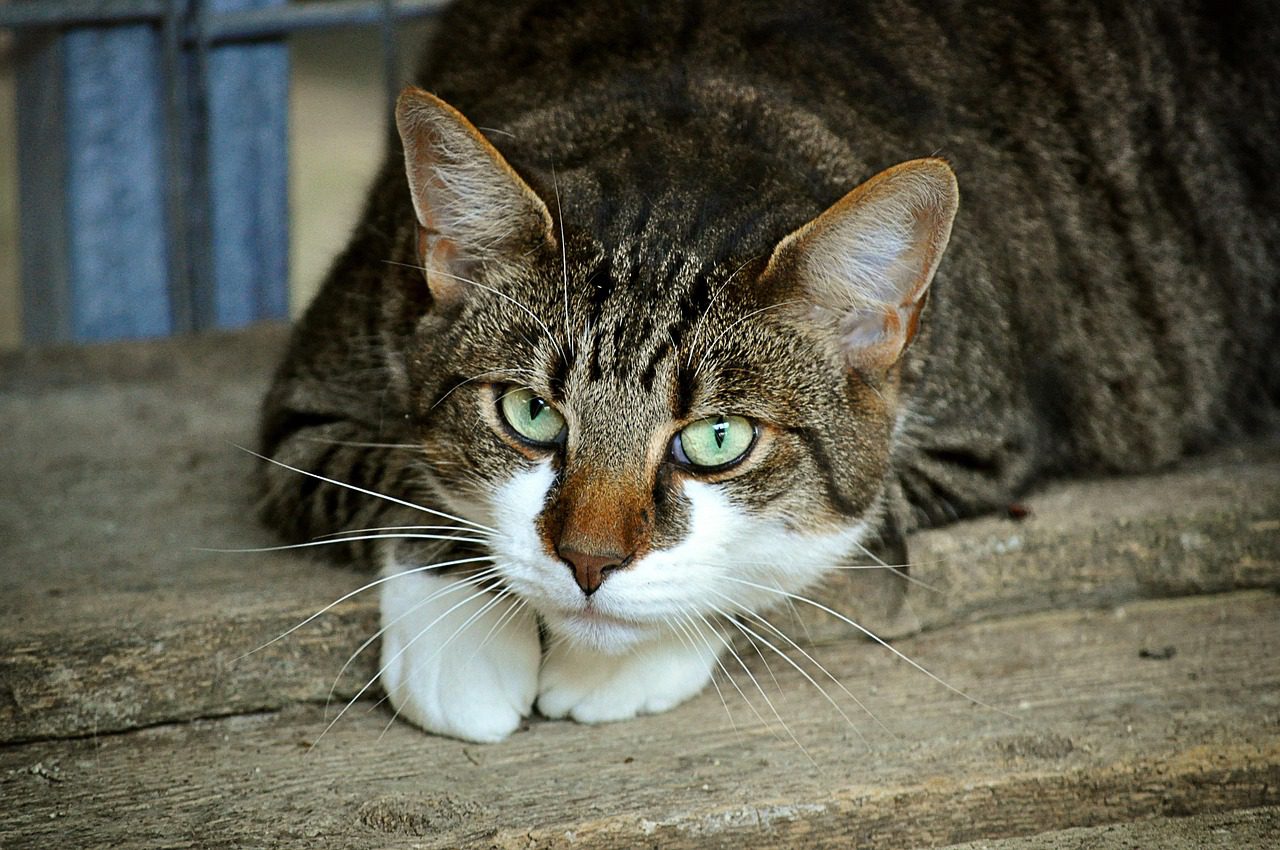
Just before Christmas I met an exceptionally handsome cat called Charlie. He was unwell,
with a poor appetite and weight loss, despite being only nine years old.
He was unvaccinated and lived in a multi-cat household.
He had become clingy in the previous three weeks, with reduced energy levels and had an
upset stomach.
When I examined him I found very little to explain his symptoms, except the suggestion of
something firm in the middle of his belly. A blood test showed he was a bit anaemic, but
gave us no definitive diagnosis.
We set him up with treatment as best we could to hopefully support him through the Bank
Holiday, and arranged to see him again immediately after.
Just three days later I was shocked by his appearance. He hadn’t eaten at all, and had lost
so much additional weight that I could now feel a very definite large mass in his belly. There
was now no doubt in my mind that this was likely to be intestinal lymphoma, and that his
future was grim.
But, worse still, this disease is often caused by a virus that he could have been vaccinated
against, but wasn’t. And he could have already passed it on to his four house mates.
There is nothing harder than being the one to break this news.
I am delighted to say that his feline leukaemia test came back negative, so his pals are safe,
and will now be vaccinated, so the family never has to go through that again. But if it had
been positive I would have had to face the process of managing all the cats gradually
suffering a similar fate to poor Charlie.
My hope is that, if your cat is allowed out and has not had a vaccine recently, you will talk to
your vet, as feline leukaemia is infectious and incurable, but preventable with vaccination.